Construction and demolition debris, the material trade groups and the EPA classify as C&D , behaves differently from a household cleanout because it is heavy and dense. A 30-yard box of pine framing and cardboard…
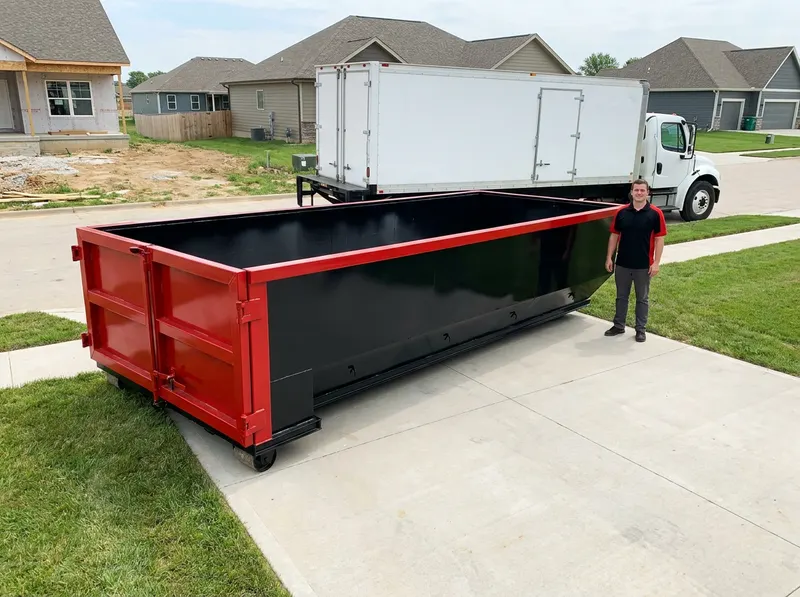
Construction and demolition debris, the material trade groups and the EPA classify as C&D, behaves differently from a household cleanout because it is heavy and dense. A 30-yard box of pine framing and cardboard weighs a fraction of the same box packed with concrete and asphalt shingles. Abgail Dumpster Rental prices the container flat, so a 30-yard is $795 whether it holds light demo or a dense load, no back-end tonnage bill after the truck leaves. That flat structure directly answers the biggest jobsite complaint: a low quote that balloons once the scale weight comes in.
Size follows the job. A single-bathroom gut in a Rountree bungalow or a kitchen tear-out in University Heights usually fits a 10-yard ($595) or 15-yard ($650), roughly 4 to 6 pickup loads. A whole-house remodel, a Phelps Grove addition, or a garage rebuild in Woodland Heights typically needs a 20-yard ($695). Roof tear-offs and larger demolition in Bradford Park, Galloway Village, Delaware, Midtown, Doling, or Oak Grove lean toward a 30-yard ($795) or 40-yard ($895). The trade-off is real: the bigger boxes hold more debris but a 40-yard needs about 60 feet of straight driveway or lot clearance to set and swap, so tighter infill lots often take a 20-yard that gets swapped twice instead.
Heavy inert debris carries a caution. Clean concrete, brick, block, and asphalt shingles are dense enough that a full 40-yard of solid concrete can exceed what a roll-off truck can legally haul on Springfield streets and what the axle limits allow, the same reason the FMCSA sets truck weight limits. For pure concrete or dirt, a smaller box loaded partway is the safe call; a photo or a quick call sorts the right size before delivery. Loose, dusty demo debris on an active site is also subject to OSHA silica dust rules when cutting concrete or masonry, so plan wetting or containment at the source, not in the bin.
Booking runs in five plain steps. Step 1: call (417) 200-1787 or text a photo of the debris and the drop spot. Step 2: our team recommends a size and gives a flat all-in price from the list above. Step 3: a firm delivery date is set, next-day is standard in Greene County. Step 4: the box is placed where you point, and plywood under the wheels protects a finished driveway. Step 5: you load to the fill line and call for pickup; disposal is already included in the flat price. What can't go in: no liquids, no wet paint, no tires, and no household hazardous waste, the categories the EPA lists as HHW, plus no appliances with refrigerant unless recovered first, which follows EPA Section 608 refrigerant rules. Clean wood, metal, cardboard, and shingles are welcome; separating clean loads follows the diversion guidance from the NAHB and recycling resources like Earth911. Concrete and asphalt often qualify as recyclable aggregate under state aggregate recycling programs. If the box sits in a public right-of-way rather than private property, the City of Springfield may require a placement permit; on your own driveway or lot, none is needed.
Every job gets a firm, written price after an on-site visit.
Tell us about your construction & c&d dumpster rental job in Springfield and we'll send a clear, written quote, usually the same day.
 Abgail Dumpster Rental